Woking man and van for Woking Station and Brookwood moves
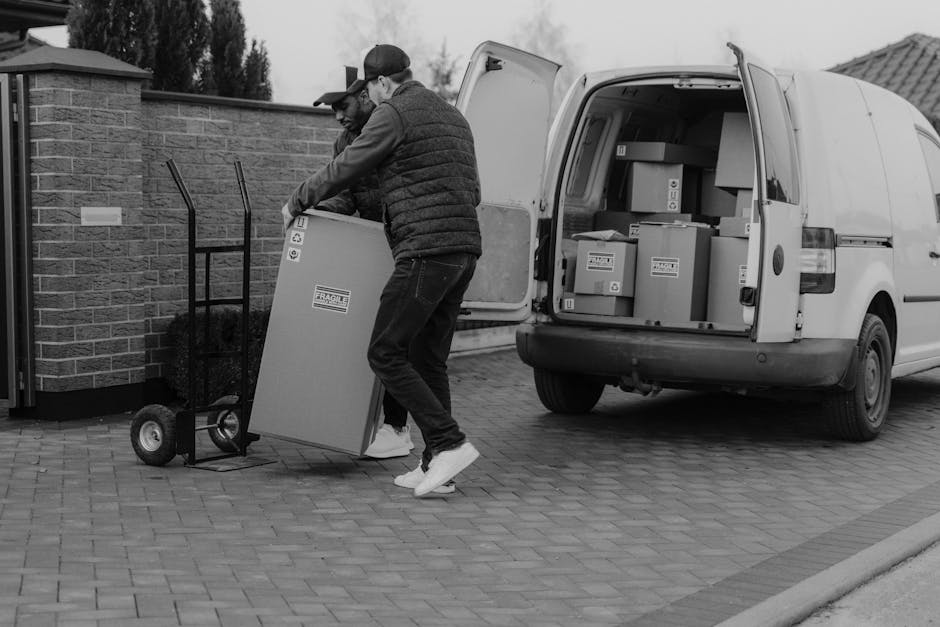
If you are planning a move near Woking Station or arranging a quieter, more residential move in Brookwood, the right man and van service can make the whole day feel a lot less chaotic. Not perfect, because moving never is, but definitely calmer, quicker, and easier to manage. This guide to Woking man and van for Woking Station and Brookwood moves explains how the service works, who it suits, what to watch out for, and how to prepare so your move runs smoothly from first box to final doorstep.
There is a world of difference between a move that feels organised and one that becomes a scramble at 8:15 on a wet morning with boxes blocking the hallway. Let's face it, that sort of thing happens easily around train stations, narrow access roads, flats, terraces, and shared driveways. The good news is that with the right planning, a local moving van can be the simple, flexible option you actually need.
- Why it matters locally
- How the service works
- Benefits and advantages
- Who it suits best
- Step-by-step moving guidance
- Expert tips for a smoother move
- Common mistakes to avoid
- Tools, resources and recommendations
- Compliance and best practice
- Options and comparison table
- Real-world example
- Practical checklist
- Conclusion
- Frequently asked questions
Why Woking man and van for Woking Station and Brookwood moves Matters
Moving around Woking Station and Brookwood is not quite the same as moving in a wide-open suburban estate with unlimited parking and room to spare. Station areas tend to bring timing pressure, short stays, foot traffic, loading concerns, and the occasional awkward corner. Brookwood, by contrast, can involve family homes, quieter roads, longer driveways, and furniture that needs a bit of patience to get out safely.
That is why a man and van service is often the sweet spot. It is usually more flexible than a full-scale removal truck, but far more practical than trying to do everything yourself in multiple car journeys. You get help with lifting, loading, transport, and often some useful advice on the day. Simple, but effective.
For many local moves, the real value is not just transport. It is the reduction in friction. If your move involves a station-side flat, a student room, a one-bed apartment, a small office shift, or a few bulky items from one Brookwood address to another, then having a practical moving setup can save time, reduce damage, and lower stress. You will notice the difference most when the day gets busy and the stairs start to look longer than they did in the morning.
If you want to understand the broader service options behind this kind of move, it can help to compare them with the general man and van service and the wider removal services offering. That gives you a better sense of what level of support is suitable for your job rather than guessing and hoping for the best.
Expert takeaway: For Woking Station and Brookwood moves, the best moving choice is rarely the biggest vehicle. It is the one that matches access, load size, timing, and how much lifting you actually want to do yourself.
How Woking man and van for Woking Station and Brookwood moves Works
In plain terms, a man and van move means a mover arrives with a suitable van, helps load your items, transports them, and unloads at the destination. Sometimes the job is a single sofa or a few white goods. Sometimes it is a small flat, a student move, or a partial house relocation. The structure is flexible, which is one of the main reasons people choose it.
Most local moves follow a similar pattern:
- You share the collection and delivery details.
- You explain what needs moving, including awkward or fragile items.
- A suitable vehicle and crew size are assigned.
- Loading is carried out carefully, with items secured for transit.
- The van travels between Woking Station, Brookwood, or other nearby locations.
- Items are unloaded into the right rooms or safe drop points.
That sounds straightforward because, mostly, it is. The real skill is in the planning. A good mover will ask about stairs, parking, lift access, time restrictions, and whether any items need disassembly. That is especially important in station areas where parking can be tight and timing matters more than people expect. A move at 9am can feel very different from one at 1:30pm, for example, when the platform crowd has cleared a bit and the street is less pressured.
Depending on your move, you may also want packing support. If so, services such as packing and boxes or packing and unpacking services can take a surprising amount of pressure off the day. Not glamorous, but extremely useful. A lot of moves go wrong before the van even turns up, usually because boxes were half-filled, unlabeled, or taped shut in a hurry at midnight. We have all seen it.
Key Benefits and Practical Advantages
The appeal of Woking man and van for Woking Station and Brookwood moves is not just cost. It is about getting the right level of support for the job you actually have, not the job you think you ought to have. That distinction matters more than people realise.
- Local flexibility: Ideal for smaller or medium-sized moves where access and timing are important.
- Better value: You are not overpaying for a vehicle size or crew size you do not need.
- Less physical strain: Heavy lifting, awkward angles, and repeated trips are handled for you.
- Faster turnaround: A well-organised van move can often be completed in a single visit.
- Good for tricky access: Station-area loading, shared driveways, and narrow residential streets are more manageable.
- Useful for partial moves: Great when you are moving only part of a household, office, or student load.
There is also the peace-of-mind factor. If you have ever tried to fit a mattress, three suitcases, a desk lamp, and a wobbling plant into a hatchback, you already know the appeal. A van is simply the right tool for the job. Truth be told, it also spares your back, your car upholstery, and your patience.
For larger or more complex moving days, you may need to scale up to removals, home moves, or even specialist options like house removals or flat removals. The right service depends on volume and access, not just postcode.
Who This Is For and When It Makes Sense
This type of service suits a wide range of people, and that is part of the appeal. It is practical without feeling oversized. If you are in or around Woking Station or Brookwood, these are the common situations where it makes a lot of sense:
- Flat movers: Anyone moving into or out of an apartment, especially where stairs or lifts are involved.
- Commuters and professionals: People with awkward move dates, work commitments, or limited time on moving day.
- Students: Small loads, tight budgets, and usually a need for quick, no-fuss transport. Student removals are often a neat fit.
- Families with overflow items: Good for furniture, boxes, pushchairs, toys, and those "we'll keep this for later" items.
- Small businesses: A few desks, chairs, archive boxes, or equipment can be moved efficiently.
- People with same-day needs: Sometimes the timing is tight, and same-day removals are the only realistic solution.
It may also be the right option if you are relocating just one room, collecting second-hand furniture, or moving items into temporary storage. A short move does not need to become a dramatic event. It really doesn't.
One thing worth saying: if you have a piano, oversized wardrobes, or especially delicate items, standard van support may not be enough. In those cases, specialist services like piano removals or furniture removals are often the safer route.
Step-by-Step Guidance
If you want the move to feel controlled rather than improvised, use a simple process. Nothing fancy. Just the basics, done properly.
- List everything going: Walk through each room and make a realistic inventory. Include awkward items, not just boxes.
- Check access at both ends: Measure doorways, stairwells, lifts, and parking space. In station areas, parking can be the hidden complication.
- Sort packing early: Use strong boxes, label them clearly, and keep essentials separate. A small bag for chargers, keys, documents, and toiletries is worth its weight in gold.
- Disassemble where sensible: Beds, shelves, and tables are easier to move in parts. Keep fixings in a labelled bag.
- Share honest details with the mover: Be upfront about heavy items, fragile items, and anything odd-shaped.
- Confirm timing and contact details: The day runs better when everyone knows the start time and arrival window.
- Protect floors and fragile surfaces: If needed, use covers, blankets, or corner protection.
- Do a final sweep before loading: Cupboards, sheds, lofts, and under-bed storage are easy to miss. We all forget one drawer at least once.
A useful tip for station-side moves: keep the first-load essentials near the exit so the van can be loaded quickly. That includes valuables, documents, and anything you may need straight away on arrival. If you are moving into a flat and need to unpack gradually, prioritise the bedroom, kitchen basics, and phone chargers first. The kettle can wait. The charger, less so.
Expert Tips for Better Results
There are a few small things that can make a surprisingly big difference. In our experience, the smoothest moves are rarely the fanciest ones. They are the ones where the details are tidy.
- Book with enough margin: If you can avoid the absolute last minute, do it. Rush jobs are possible, but the margin for error shrinks.
- Label by room and priority: "Kitchen - open first" saves time later and stops a lot of box shuffling.
- Keep routes clear: Hallways, entrances, and stairwells should be free of loose items and half-packed bags.
- Protect fragile items separately: Mirrors, monitors, glass, and lamps should not be mixed with heavy general items.
- Ask about loading strategy: Heavy items should usually go in first and be secured properly.
- Think about the weather: A rainy Surrey morning can make steps slippery and cardboard weak. A few plastic covers help a lot.
And here is one slightly old-fashioned but very effective tip: keep a pen and some tape in your pocket. You will use them. Probably more than once. Moving day has a way of producing small tasks at the worst possible moment.
If your move is tied to a larger relocation, it may be worth looking at office removals or office relocation services if you are moving work equipment, or house removalists if the job is a fuller household shift. Matching the service to the task is half the battle.
Common Mistakes to Avoid
Most moving problems are preventable. Not all, but most. And they usually come from underestimating time, space, or weight.
- Overfilling boxes: A box that looks manageable may be brutal once lifted. Books are the classic culprit.
- Not measuring furniture: A sofa that fits the van may still not fit the doorway. That is a very specific kind of disappointment.
- Ignoring parking: Especially near Woking Station, this can become the issue that slows everything down.
- Forgetting access checks: Narrow stairs, low ceilings, and awkward bends can change the whole plan.
- Poor labelling: Unlabelled boxes create confusion and cost time at the other end.
- Choosing on price alone: The cheapest option is not always the best value if the move runs long or items are damaged.
Another common slip is assuming every move needs the same scale of service. That is not true. A single-room move might need a simple removal van, while a larger set-up may need a bigger vehicle such as moving truck or removal truck hire. Right-sizing matters.
Tools, Resources and Recommendations
You do not need a huge toolkit for a successful move, but a few basics make life easier. Nothing too clever, just dependable things that do the job.
- Strong boxes: Use consistent sizes where possible. They stack better and are easier to lift.
- Packing tape and tape gun: Saves time and stops box bottoms from failing mid-lift.
- Marker pens: Label contents and destination room clearly.
- Bubble wrap or wrapping paper: Useful for glass, lamps, and fragile bits.
- Blankets and covers: Helpful for furniture protection and general scratch prevention.
- Simple inventory list: Great for keeping track of what is loaded and what still needs attention.
For customers who want a more complete moving setup, the surrounding services can make a big difference. Furniture pick up is useful for one-off items, while furniture removals help when heavier pieces need careful handling. If the move needs broader support, removal companies and removal services are worth comparing against a simple van-based job.
And if you need to pause between moves, do not overlook storage. A short-term hold can make an awkward handover much easier, especially if keys, completion times, or access windows are not lining up neatly.
Law, Compliance, Standards, or Best Practice
For most readers, the compliance side of moving is less about heavy legal theory and more about sensible, responsible practice. A reputable mover should operate with appropriate insurance, safe loading methods, and honest communication about what is and is not included.
In the UK, the practical expectations are fairly straightforward: goods should be handled carefully, vehicles should be roadworthy and suitable for the load, and the operator should be clear about liability and service terms. If you are comparing providers, look for transparent wording around pricing, payment, and safety. It is also sensible to read the business information pages such as insurance and safety, health and safety policy, and terms and conditions.
Good best practice also includes:
- confirming the inventory and access details before the move;
- using suitable lifting methods for heavier items;
- protecting fragile goods during loading and transit;
- being clear about payment methods and any extra charges in advance;
- treating customer property with care and respect.
If sustainability matters to you, it is fair to ask how packing waste and unwanted furniture are dealt with. Pages such as recycling and sustainability can help you understand a company's approach to waste, re-use, and responsible disposal. Small detail, big reassurance.
Options, Methods, or Comparison Table
Here is a simple comparison of common moving options for Woking Station and Brookwood moves. It is not scientific, just a practical guide based on the kind of jobs people usually need to get done.
| Option | Best for | Pros | Watch out for |
|---|---|---|---|
| Man and van | Small to medium local moves, flats, student loads, bulky items | Flexible, efficient, often cost-effective | May be too small for larger household moves |
| Removal van | Similar jobs where a dedicated van is the right fit | Good balance of practicality and size | Capacity can still be limited for bigger homes |
| Removal truck hire | Heavier or larger loads | More space, better for full-property moves | Can be harder to park near tight access points |
| Full removals service | Whole-house or larger business moves | Most hands-on support, less stress for you | Usually higher cost than a smaller van-based service |
For many people around Woking Station and Brookwood, the first choice ends up being the second-best sounding one on paper but the best one in practice: the flexible van service that fits the load, access, and timing. That is usually where value lives.
Case Study or Real-World Example
Here is a typical local scenario. A couple moves from a second-floor flat near Woking Station into a small house in Brookwood. They have a bed frame, a sofa, a dining table, a few boxes, a desk, and a couple of fragile mirrors. Nothing enormous, but enough to make a casual car-and-carrier-bag approach a bad idea.
They start by measuring the stairwell and checking whether the sofa can turn safely at the top landing. It cannot, at least not without being angled carefully. They disassemble the bed, label the hardware bag, and keep the essentials separate. On moving day the van arrives on time, loading is done in the right order, and the fragile items are secured away from heavier furniture. The whole move finishes with far less drama than they expected.
The key win was not speed alone. It was preparation. Because the access at the station end was tighter, the team planned around the early part of the day and kept the loading route clear. At the Brookwood end, there was more room, so unloading was quicker and less stressful. No heroics, just smart sequencing.
That kind of move is exactly where a local van-based service shines. It is practical, affordable in the right circumstances, and much less exhausting than trying to improvise the whole thing yourself. A small win, but a meaningful one.
Practical Checklist
Use this checklist before your Woking Station or Brookwood move. It is the sort of list that saves you from the "oh no, we forgot that" moment.
- Confirm the move date, time, and access details
- Check parking options at both addresses
- Measure doorways, staircases, and large furniture
- Pack and label all boxes clearly
- Set aside valuables, documents, and essentials
- Disassemble furniture if needed
- Protect fragile items with wrap or padding
- Tell the mover about heavy, awkward, or delicate pieces
- Keep hallways and entrances clear
- Prepare keys, payment details, and contact numbers
- Check whether storage, packing, or additional help is needed
If you are still deciding whether a small van job or a more complete moving package is right for you, it may help to browse the site's wider service information, including about us for background and pricing and quotes for a clearer understanding of how enquiries are typically handled.
Get a free quote today and see how much you can save.
Conclusion
Woking Station and Brookwood both reward good moving preparation. Station-side moves need timing and access awareness. Brookwood moves often need care, patience, and a sensible loading plan. In both cases, a well-matched man and van service can make the day feel organised rather than overwhelming.
The biggest lesson is simple: match the service to the real move, not the idealised one. Be honest about what you own, how awkward the access is, and how much help you want. Do that, and the whole experience becomes much easier to manage. Not effortless, because moving never quite is, but definitely better.
And once the last box is in place and the kettle is finally found, you get that tiny relief that makes all the planning worth it. That's the bit people remember.
Frequently Asked Questions
What is included in a Woking man and van move?
It usually includes loading, transport, and unloading, with some services also helping with furniture placement and basic handling advice. Always confirm the exact scope before booking.
Is a man and van suitable for Woking Station flats?
Yes, often it is. Station-area flats commonly suit van-based moves because access can be tighter and the load is usually smaller than a full-house move.
Can a man and van service handle Brookwood house moves?
For smaller household moves, partial loads, or a few bulky items, yes. If you are moving a larger family home, you may need a bigger removals setup instead.
How far in advance should I book?
As early as you reasonably can. That said, shorter-notice moves are sometimes possible, especially if the job is straightforward and the timing is flexible.
What if I need help with packing too?
You can look at options such as packing support or packing materials. A move is often easier when the boxes are properly prepared before the van arrives.
Is same-day help available?
In some cases, yes. Same-day support can be useful for urgent collections, completion-day changes, or unexpectedly tight move windows.
How do I know whether I need a van or a truck?
Think about volume, furniture size, and access. A van suits smaller jobs and tighter spaces, while a truck is better for larger, heavier loads.
Can I move furniture safely with a standard service?
Often yes, provided the furniture is suitable for handling and the mover knows in advance about its size, weight, and condition. Very fragile or unusually heavy items may need specialist care.
What should I tell the mover before the day?
Share the full list of items, access details, parking concerns, stairs, lifts, and any delicate pieces. The more honest the description, the smoother the move tends to be.
Are storage options useful if my move dates do not line up?
Absolutely. Storage can bridge the gap between leaving one property and getting keys for the next, which is more common than people think.
What is the biggest mistake people make with local moves?
Underestimating access and time. It is usually not the boxes themselves that cause problems; it is parking, stairs, and last-minute packing.
How can I compare moving services fairly?
Look at what is included, how the job is assessed, whether insurance and safety information is available, and whether the service matches your actual move size. Price matters, but it should not be the only thing.